Augmented & Virtual Reality Solutions
Harness the power of Augmented Reality (AR) and Virtual Reality (VR) to enrich your customers’ experience.

Empower your customers with a virtual reality solution that increases user engagement and brand value. You get a tailored AR or VR solution that pinpoints your unique business needs with each particular project. Boost your operational efficiency, skyrocket your ROI, and generate new customer engagement strategies.
Benefits of AR and VR Solutions
The power of AR&VR for solutions can be realized beyond mere simulated environments and games&arcades. Find the best way augmented and virtual reality can be used in your particular business.
-
Skyrocket your customer engagement
Let customers demo your product or service "realistically" through AR or VR solutions before they purchase to build integrity and boost sales.
-
Streamline your work processes
Enterprise AR or VR services help you streamline processes by developing solutions for supervising remotely, instructing in real-time, and manipulating objects. This lets you automate your production lines, boost your inventory management, and troubleshoot issues as they arise.
-
Present your products in fantastic detail
Immersive technologies like AR or VR help you reinvent your customer engagement and product presentation. Bring your product to the next level by helping customers visualize your product in realistic simulated environments.
-
Boost your collaboration strategies
Collaboration with colleagues, regardless of where you’re located in the world, builds not only consensus but sparks better ideas and more nuanced decisions. Engage your workforce and create a cooperative environment with AR or VR solutions that other companies can’t achieve with telephone or video conferencing.
-
Expand your education and training processes
Use AR or VR solutions to educate and train your employees in simulated environments. You get real-time learning and education platforms that help improve the knowledge and decision-making skills of employees regardless of their position or prior education.


Our Customers
Companies around the globe, just like yours, turn to us for custom software that can set them apart from the competition. We are proud to serve as a technology partner for industry game changers and innovators.
UI/UX Design
Create engaging products and apps focused specifically on your users’ preferences and needs. Exceed their expectations with Jelvix UI and UX services.
More infoSoftware Development Services
From greenfield builds and modernizing legacy systems to AI-powered platforms and enterprise integrations, we cover the full development lifecycle.
Jelvix experts tailor custom enterprise software to fit how your business actually operates. Years of engineering and delivery excellence. Global IT specialists and tech experts. Built into every project from day one. Client retention rate built on long-term partnerships. Tech Stack We choose tools based on what the project demands, not what's easiest to staff. Every technology decision is made in the context of your existing infrastructure, your team's capabilities, and the long-term cost of ownership. Python for handling data-intensive work and developing AI programs. Java and C# for robust enterprise back-end applications. Our range of programming languages makes sure that we staff according to the requirements of your technology stack, and not just our previous experience. The success of user experience lies in having an efficient and high-performing interface. Frameworks are chosen according to application requirements, developed with operational efficiency in mind, and tested under different circumstances before being deployed. Backend architecture determines how the system behaves under load and how well it integrates with existing systems around it. The framework follows the performance and integration requirements. Our teams operate within AWS, Microsoft Azure, and Google Cloud Platform. Infrastructure is coded using Terraform and managed using Docker and Kubernetes. Regarding our AI projects, we integrate either AWS SageMaker, Azure ML, or Vertex AI based on the cloud infrastructure of the client. A software development lifecycle without automated testing and deployment creates risk that compounds over time. We build CI/CD pipelines that follow best practices and validate every code change before it reaches production, using tools that integrate with whatever version control and deployment environment is already in place. Data storage has an impact in the long run. Relational and non-relational databases are selected depending on the patterns of the queries, consistency constraints, and amount of data. In the case of event-based architectures, we use Apache Kafka as the foundation. For AI-powered software and data analytics platforms, we work across the full model development and deployment stack, from data pipelines and feature engineering through model training, evaluation, and production monitoring. Our engineers use artificial intelligence programming software in their workflow. This implies faster review cycles, more consistency in outputs, and reduced time on boilerplate code. Who We Serve The business problems that software needs to solve look different in each industry. So do the regulatory standards, the data sensitivity, and the consequence of getting it wrong. Healthcare software comes with certain regulatory demands that usually go unrecognized by many dev teams until they are halfway through the development process. This type of software is developed at the crossroads of performance demands and regulatory oversight. An overloaded payment gateway means actual losses. A poorly-designed platform for reporting on regulations leaves an organization exposed to the law. Our fintech experts have successfully completed more than 170 projects in digital banking, payments, lending, and wealth management, including migration of payment rails, core banking, and fraud detection systems. Retail software must handle the spikes in demand, bring together the inventory in real-time, and personalize at a level where manual intervention isn’t sufficient. If your ecommerce website goes down when you’re experiencing a peak period, money won’t wait until the incident report is done. Our team of retail experts has designed solutions that can handle volume transactions, tie up the physical and digital inventory, and pull out the necessary customer information. The quality of the data running through logistics software determines how useful it can be. Live information about the position of the fleet, the capacity of the warehouse, and the status of deliveries is not an analysis tool but the basic principle on which decisions are made by planners, dispatchers, and managers. Our logistics specialists have built platforms that process millions of data points per day and surface actionable intelligence across the full supply chain. The software products must be able to close the loop between what goes on in production and what comes out from the corporate system. The failure to do so results in quality escapes, unexpected downtime, and inventory discrepancies that will only become obvious when it’s too late. The integration experts at our company connect MES, ERP, and IoT sensors to provide the operations team with real-time visibility into production. The real estate software deals with a unique type of complexity: huge volumes of documents, lengthy transaction lifecycle, coordination between multiple parties, and financial reporting that must be precise for thousands of units at once. Our real estate experts have done 200+ projects in this field, from property management solutions to development of real estate marketplaces to integration with platforms like Yardi. The development of insurance software exists between the complicated processes of actuaries, standards of regulators, and customer requirements, which have changed significantly over time. Policyholders expect a digital way of interaction. Regulators expect precise traceability. Older systems without any of the above requirements cannot fulfill both. Our insurance specialists build policy management systems, claims processing platforms, and underwriting tools designed for the data complexity the industry requires. Media software has to be designed for concurrency handling, provide non-buffered delivery of content in different geographic locations, and adapt to the unpredictable behavior of the audience. If a streaming service fails during a live broadcast, it will not get another opportunity with the same audience. Our media specialists have built content delivery platforms, audience analytics systems, and subscription management tools that perform under the kind of load media products generate at peak. Automotive software must bridge the gap between complex supply chains, connected vehicle hardware, and strict safety regulations. A failure in data synchronization or compliance can lead to costly recalls, production delays, and compromised user safety. Our automotive software experts build custom solutions ranging from telemetry platforms to dealership management systems and EV charging infrastructure. Process We work the same way on every engagement, whether it's a six-week MVP or a multi-year platform. The software delivery process is consistent. What changes is the context. Step 1 We work directly with your product, engineering, and business stakeholders to map out what the software actually needs to do, not just what's on the feature list. Most projects get to a validated scope within a few days. From there, project management is set up, and development starts within about a week once requirements are clear. Step 2 Our technical leads define the architecture. They define the architecture, the technology stack, and the integration and compliance requirements that must be built before development starts. We approve the architecture before writing a single line of code. Step 3 The development process takes place in two-week sprints, following a well-defined SDLC cycle, with the first working build delivered in two to four months, with updates done every one to four weeks thereafter. Since our teams work overlapping business hours in the US Eastern and Central business hours, issues get resolved on the same day. Step 4 The software is integrated into your current enterprise systems and tested for functionality, performance, and security prior to launch. For software in the regulated industry, the test documents are drafted to meet the requirements of auditing right from the outset. Step 5 We roll out the system, test its performance for the first few weeks, and provide support as your end users' requirements change. After deployment, you fully own the source code. Featured projects More than 1,250 projects shipped across 16 years of software development. Challenge A US-based digital health company needed to scale patient onboarding for a hypertension RPM program while improving the accuracy of its AI risk prediction layer. What we built A data transfer bridge from wearables to the clinical solution, along with the enhanced machine learning module for cardiovascular risk stratification. Result 100% instant rail coverage. Zero operational disruption during migration. Challenge A fintech platform running on legacy ACH infrastructure needed to add FedNow and RTP rails to reach full instant payment coverage, without any downtime to its existing operations. What we built A payment orchestration layer that added the new rails on top of existing ACH infrastructure. Zero core system downtime during the transition. Result 100% instant rail coverage. Zero operational disruption during migration. Challenge A real estate operator managing 250+ properties was losing $1.8M annually to reporting errors and manual reconciliation between its property management system and financial reporting tools. What we built A custom enterprise integration layer that automates the transfer of data between Yardi and the client’s accounting system, eliminating manual reconciliation and automatically generating reports. Result $1.8M in annual losses eliminated. Reporting time reduced from days to hours.16+
450+
HIPAA
82%
Trusted by Market Leaders:


Ready to scope your product
Start a Discovery Call idea?
The Stack Behind the Work
Programming Languages
Frontend Frameworks
Backend Frameworks
Cloud and Infrastructure
DevOps and CI/CD
Databases
Data and AI
AI-Assisted Development
Not sure where to start? Let’s map out your project
Talk With a Technical Expert scope.
Industries We Cover
HIPAA-compliant development cannot be applied at the end of the process; it influences all the decisions related to patient data storage, its accessibility, transmission between different platforms, and audit log setup from the very first sprint.
Our healthcare experts have successfully completed over 145 projects involving EHR integration, remote patient monitoring, telemedicine solutions, and clinical AI-powered apps. Jelvix is the Top 50 HealthTech Company of 2025.From Day One to Done

Discovery

Architecture and Technology Selection

Development

Integration and Testing

Launch and Support
Success Stories
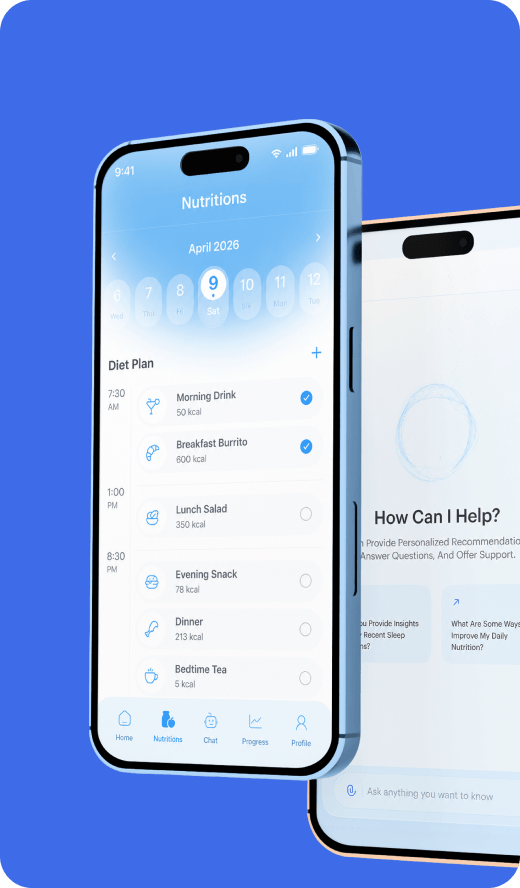
Explore All Our WorkAI-Powered Remote Patient Monitoring
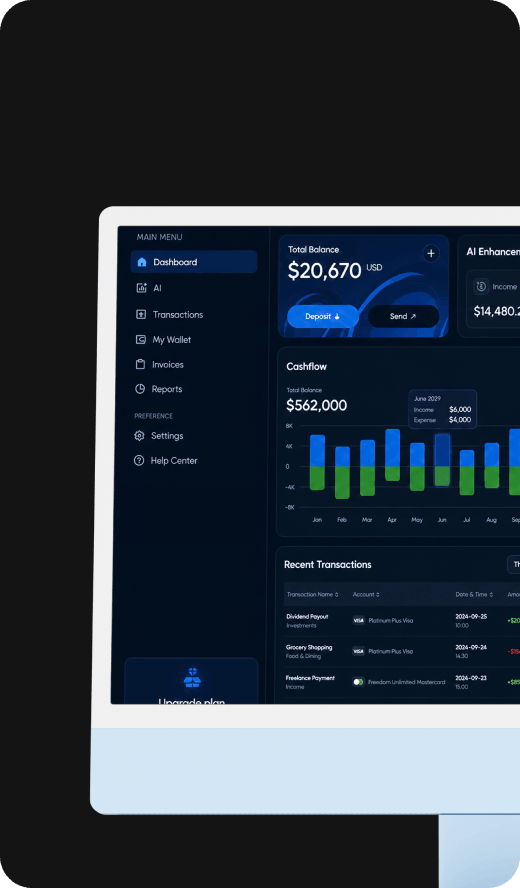
Fintech Payment Orchestration
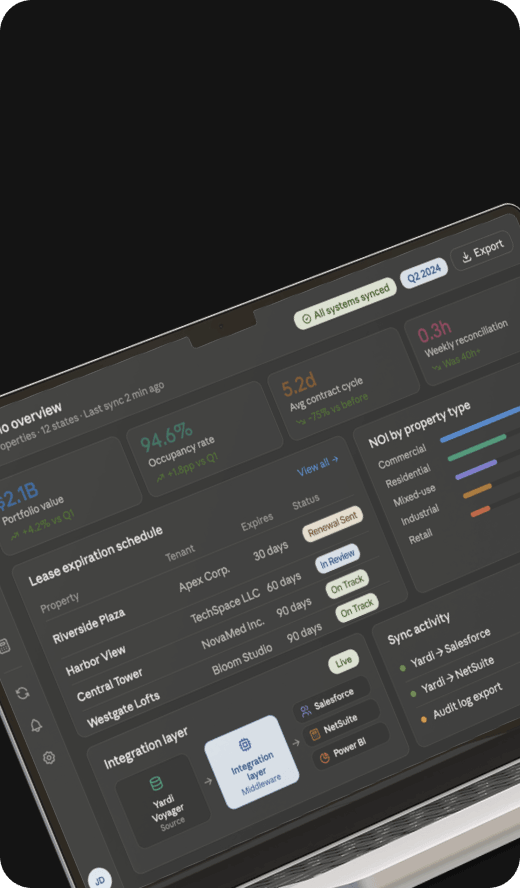
Real Estate: Custom Yardi Integration Layer
Why Jelvix
Why Companies Choose Jelvix for Software Development
Most software companies will tell you they're experienced and that your code belongs to you. Here's what that actually looks like in practice.
You're Up and Running in Two Weeks
From the moment you sign off on the project scope, your dedicated team is assembled and contributing within 14 days. Every IT specialist passes a multi-stage technical and communication screening before joining the Jelvix network. We match the team to your stack, your domain, and your working style. The first sprint starts before most companies finish negotiating contracts with other vendors, and the software built in those early sprints reflects your stack and your standards, not a generic starter template.
Your Code Belongs to You
Each software project begins with the signing of an NDA agreement before we share any information. When the project is completed, you will own all intellectual property that we produced for you, including the source code, database schemas, and documentation. There are no fees for the license, no lock-ins, and no proprietary parts, maintenance of which is possible solely by Jelvix. As soon as the system is shipped to you, you can operate, maintain, and modify it independently of Jelvix.
Security Is Certified, Not Assumed
Jelvix is accredited under the ISO/IEC 27001:2022 standard for data security management, ISO 9001:2015 standard for quality management, and ISO 13485:2016 for health care projects. These requirements are followed for all projects regardless of whether they are requested. Protection of sensitive data and development in accordance with HIPAA requirements are incorporated into the project from the very beginning.
82% of Our Clients Come Back
This figure comes from the result after 16 years of experience where the product is delivered on time, performs according to its specification, and is maintained by a team communicating clearly when something changes. Most of Jelvix's income is gained through long-term projects. Our company grows together with our clients and not by making single-project engagements.
Recognized for the Work
Jelvix is certified in information security according to ISO/IEC 27001:2022 and ISO 9001:2015 standards for quality management. We were awarded the Top 50 Health Tech Company of 2025 due to our achievements in developing healthcare software solutions. On Clutch, we carry a rating of 4.9 based on over 200 reviews.
Trusted by global enterprises, certified for security
and quality.








Engagement Models
How You Can Work With Us
Every engagement arrives in a specific phase with specific constraints. The engagement model that works for a greenfield build differs from the one that works for adding capacity to an existing team mid-sprint. We structure every engagement around the actual situation and tailor custom solutions to fit the phase, team size, and delivery constraints of your project.
Dedicated Team
A complete project team working exclusively on your product under an ongoing engagement. Project manager, technical lead, developers, QA, and DevOps selected for your specific stack and domain.
The team integrates into your planning cycles and operates as a functional extension of your organization. Best for companies building a new product, executing a multi-phase roadmap, or running a platform that needs continuous development capacity.
Project-Based Delivery
A scoped engagement that has deliverables, a deadline, and a team dedicated to the task. We take care of planning, creating the team, developing the solution, and delivering the completed solution.
Most suited to organizations with a clear problem statement and criteria for completion, such as migrating platforms, building a product, or integrating a system where the requirements are firm enough to plan around.
tion.
Staff Augmentation
Individual specialists or small pods who join your existing team and work under your management. Best for filling specific skill gaps without disrupting how the team operates.
A senior architect for a complex integration, an AI specialist for a model development workstream, an infrastructure engineer to build out the CI/CD pipeline. Our software developers ramp up in days and follow your processes. Most teams are up and running within 2 to 4 weeks.
Testimonials
What It's Like to Work With Us
Dean Lontos
Founder & Co-Founder, Real Estate Company
Jelvix built a centralized integration layer connecting Yardi Voyager with Salesforce and NetSuite. Their work included solution architecture, API integrations, and audit logging. The integration eliminated more than 40 hours of manual reconciliation each week and significantly reduced operational losses


Peter Kelly
CEO, Imployable
Jelvix delivered digital products that are fit for purpose and, in the case of the mobile apps, award-winning. Led by an engaged project manager, communication with the development team is smooth and purposeful. They contributed conceptually to the solutions and were excited to problem-solve.
Inna Tereshchenko
Brand Director, Auchan Retail Ukraine
I’m pleased to notice that the team not only managed to comply with all our demands but even exceeded expectations. Jelvix engineers were facing a challenge to create a web application, able to process big data and cope with the high load during a peak of buying activity. Jelvix team is highly recommended for long term partnership. We are absolutely happy to continue our cooperation and intend to assign them with a new up-and-coming project.
270+ companies across 10+ countries trust our senior engineering experts.
Get a Tech Feasibility ReviewFrequently Asked Questions
How much does custom software development cost?
Cost depends on scope, level of complexity, size of the team, and duration of time needed to develop the product. A narrowly scoped MVP with a handful of core features costs meaningfully less than an enterprise-level platform integrating multiple systems, complex data models, and compliance requirements.
The biggest factors that influence the price are the number of integrations, their complexity, data model, level of compliance, and how much discovery has been done. We offer a full estimate only after we hold a scoping session.How long does a typical software development project take?
A well-scoped MVP typically takes 3 to 5 months. A full enterprise platform with multiple integrations and regulatory overhead typically runs 9 to 18 months. In our experience, the most common reason projects run long isn't the development itself.
It's requirements that surface mid-build because they weren't uncovered during discovery. Our software development process is specifically designed to surface those before the development budget is committed, which is why we treat discovery as a non-negotiable first step.Do you work with startups or only enterprise clients?
Both. The engagement looks different depending on the situation. Startups typically need an MVP built quickly on a constrained budget, with architecture that leaves room to pivot when user feedback arrives.
Enterprise clients need integration with complex existing infrastructure, stricter regulatory coverage, and careful change management within large organizations. We've delivered for seed-stage companies and Fortune 500 enterprises. The approach adapts to what the situation requires.How do you protect our IP and source code?
An NDA is signed before any project details are shared. During development, code lives in client-controlled repositories or in segregated Jelvix-hosted repositories with access restricted to the assigned team.
At project completion, full intellectual property transfers to the client: all source code, all documentation, all assets. Our development environments operate under certified security protocols. Nothing built for you is retained.What does the first 30 days look like?
The first week entails the discovery phase, the requirements document, and the NDA. The second week includes architecture design, technology choice, and staffing. The third and fourth weeks involve onboarding the team, development environment preparation, sprint zero planning, and the commencement of the first development sprint.
At the end of the first month, you get an architecture document, a team in place, and active coding going on. More than just a plan for a project.Can you work with our existing tools and stack?
Yes, and we prefer to. Asking clients to switch tools mid-project creates unnecessary friction. If you're running Jira, we use Jira. If your codebase is in a specific programming language or framework, we staff for it. The one situation where we'd raise a concern is if we identify a meaningful technical risk in the current stack. In that case, we explain the trade-offs and the options, and the decision is yours.How does working with a Central European team work day-to-day?
Your project team covers US Eastern and Central morning hours during their afternoon. Daily standups typically run at 9 or 10 AM Eastern. Questions and decisions that come up during your morning get picked up immediately, not the next day. Most clients say the working experience is closer to a domestic team than they expected before starting. That's the benefit of outsourcing software development to a team that structures its hours around yours.What happens after the software project is delivered?
Each project has a 30-day warranty that covers any issues discovered during actual usage. Further on, customers may switch to a more organized maintenance process, starting from monthly retainers for bug fixing and updates up to an entire dedicated team for platforms requiring constant iterations. 82% of our clients continue collaborating with us after the first project.Do you offer ongoing support after launch?
Yes. Scope varies depending on what the software really requires. There may be a need for continued development to match user growth or regulatory change. However, there might be another approach that requires less maintenance, which can be discussed in the course of the software project.What makes Jelvix different from other software development companies?
There are three aspects that are commonly mentioned by clients. The first one is discovery. It enables us to get acquainted with the business before code is written, preventing the need for expensive revisions when requirements are unclear, and it's part of how we treat every software development project from day one.
The second aspect is communication. It allows project managers to address blockers early and lets our software developers clarify the technical implications before they cause any issues, keeping the development process transparent throughout. The third one is retention. 82% of our clients come back, showing what happens when clear planning and communication continue throughout the engagement.What's the difference between custom software development and outsourcing software development?
Custom software development refers to building software tailored to your specific business needs, as opposed to buying an off-the-shelf product. Jelvix operates as a full-service software application development company covering web, mobile, enterprise, and AI solutions.
Software development outsourcing refers to the model of engaging an external team to do that work, rather than hiring in-house. Most companies that work with Jelvix are doing both: they're commissioning custom software and outsourcing the software development to our team. The two terms describe what you're building and how you're building it, not competing choices.





Digital Transformation
Harness the power of new, fast, and ever-evolving digital technology to solve your business challenges.
More infoFull-service AR/VR Solutions
SERVICES
- AR/VR experience design
- Custom AR/ VR development
- Hardware-level development
- Recognition-based augmentation
- Location-based AR solutions
PLATFORMS:
- Desktop VR
- Mobile VR
- Augmented Reality
- Mixed Reality
- 3D Modelling